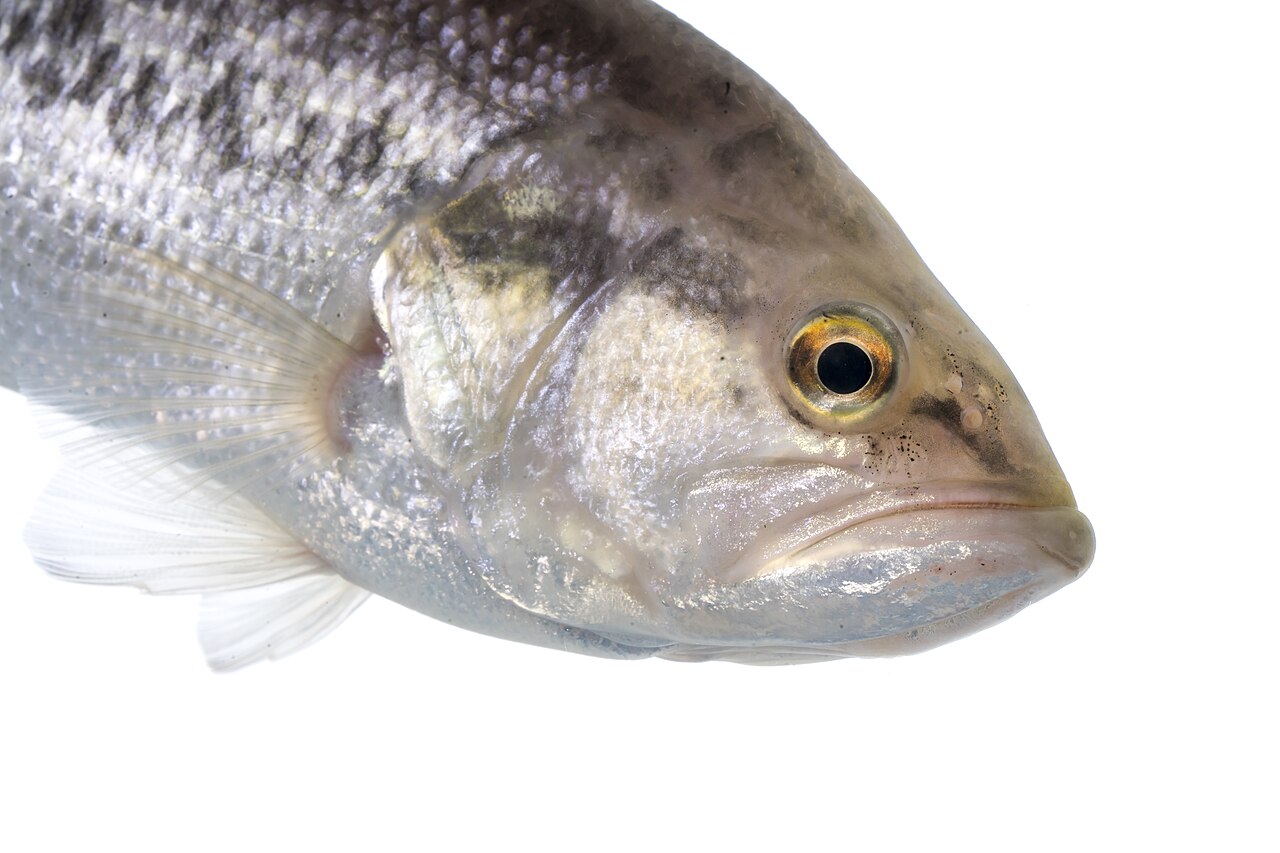
Darkness is only one variable
Bass activity after sunset is shaped by season, water temperature, oxygen, prey, structure and recent weather. Low light may change where fish can feed comfortably, but it does not erase local conditions.
Begin with the water in front of you: note depth changes, vegetation edges, current, shoreline cover and signs of prey. Treat a quiet evening as information, not proof that fish are absent.
Use a repeatable search
Work from obvious transitions—points, weed edges, docks or moving-water seams—toward deeper or subtler structure. A deliberate route is safer and makes observations comparable across trips.
Keep sound and light controlled. Secure loose equipment before dark and avoid repeated bright light on the water. The goal is better night vision and safer movement, not stealth at any cost.
Record observations honestly
A useful field note includes date, time, weather, water condition, habitat and what was actually observed. It should distinguish a direct observation from a general pattern read elsewhere.
Never publish a precise sensitive habitat location. Check the current rules for the waterbody before deciding whether a fish can be retained.
Sources and further reading
Accessed for this edition on 24 August 2026. Always recheck current agency guidance.