Species guides

Identify first. Decide second.

Six freshwater field guides centered on visible traits, habitat and responsible care. Black bass and temperate bass are separated clearly.

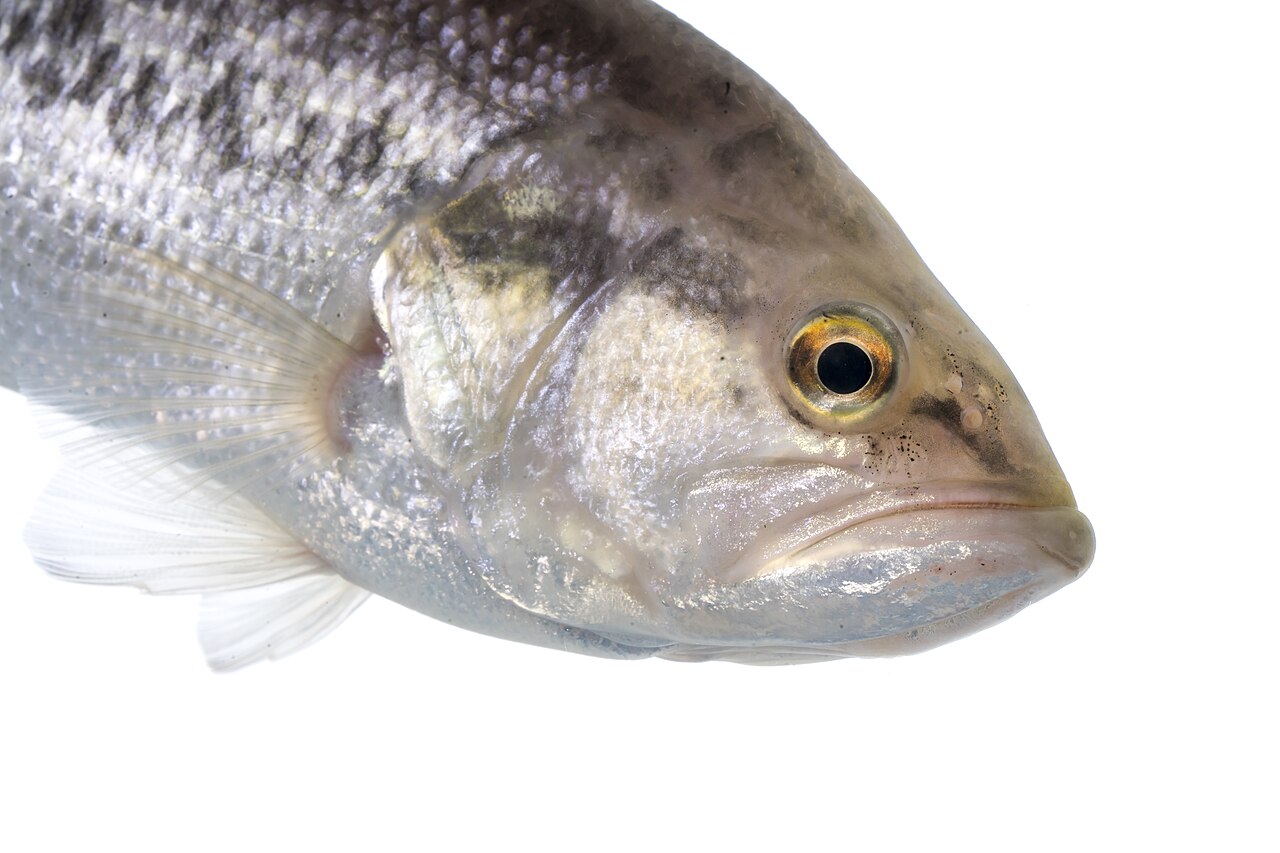
01Largemouth bass identification photograph

Black bassMicropterus nigricans

Largemouth bass

Habitat
Vegetated lakes, ponds, reservoirs and slower river reaches with cover.
Low-light activity
Often uses low-light edges; timing varies with season, temperature and prey.
Field marks
Large mouth extending behind the eye and a dark horizontal side band.
Responsible care
Support horizontally, keep wet and verify current waterbody limits before harvest.

Before retention: identify the fish in clear light and check current rules for the specific waterbody. This guide is not a legal determination.
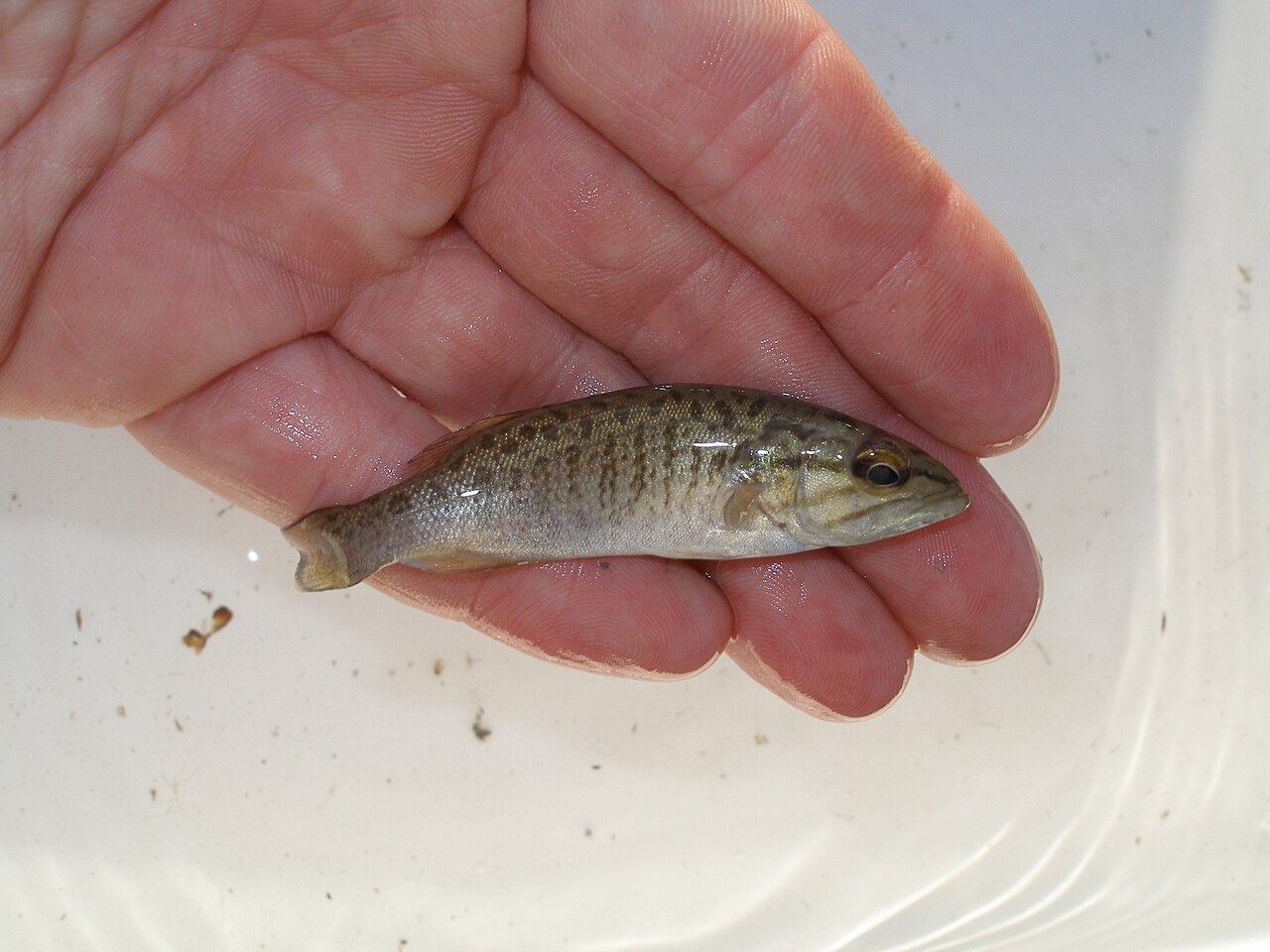
02Smallmouth bass identification photograph

Black bassMicropterus dolomieu

Smallmouth bass

Habitat
Clearer, cooler lakes and flowing water with rock, gravel and current breaks.
Low-light activity
May move along rocky transitions at dusk and after dark; conditions govern.
Field marks
Jaw usually ends near the eye; vertical side bars and bronze tones are common.
Responsible care
Minimize handling and confirm seasonal closures, length rules and protected habitat.

Before retention: identify the fish in clear light and check current rules for the specific waterbody. This guide is not a legal determination.
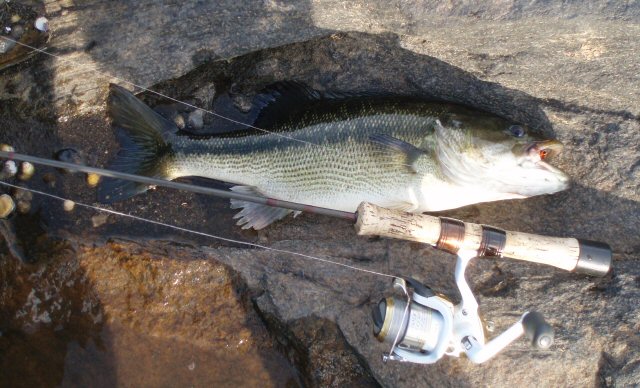
03Spotted bass beside fishing tackle for scale

Black bassMicropterus punctulatus

Spotted bass

Habitat
Reservoirs and rivers, often around current, rock and deeper structure.
Low-light activity
Low-light feeding can occur around current seams and structure, with no fixed window.
Field marks
Rows of small dark spots below the lateral band; jaw generally does not pass the eye.
Responsible care
Identification matters where black bass rules differ; consult the local agency.

Before retention: identify the fish in clear light and check current rules for the specific waterbody. This guide is not a legal determination.
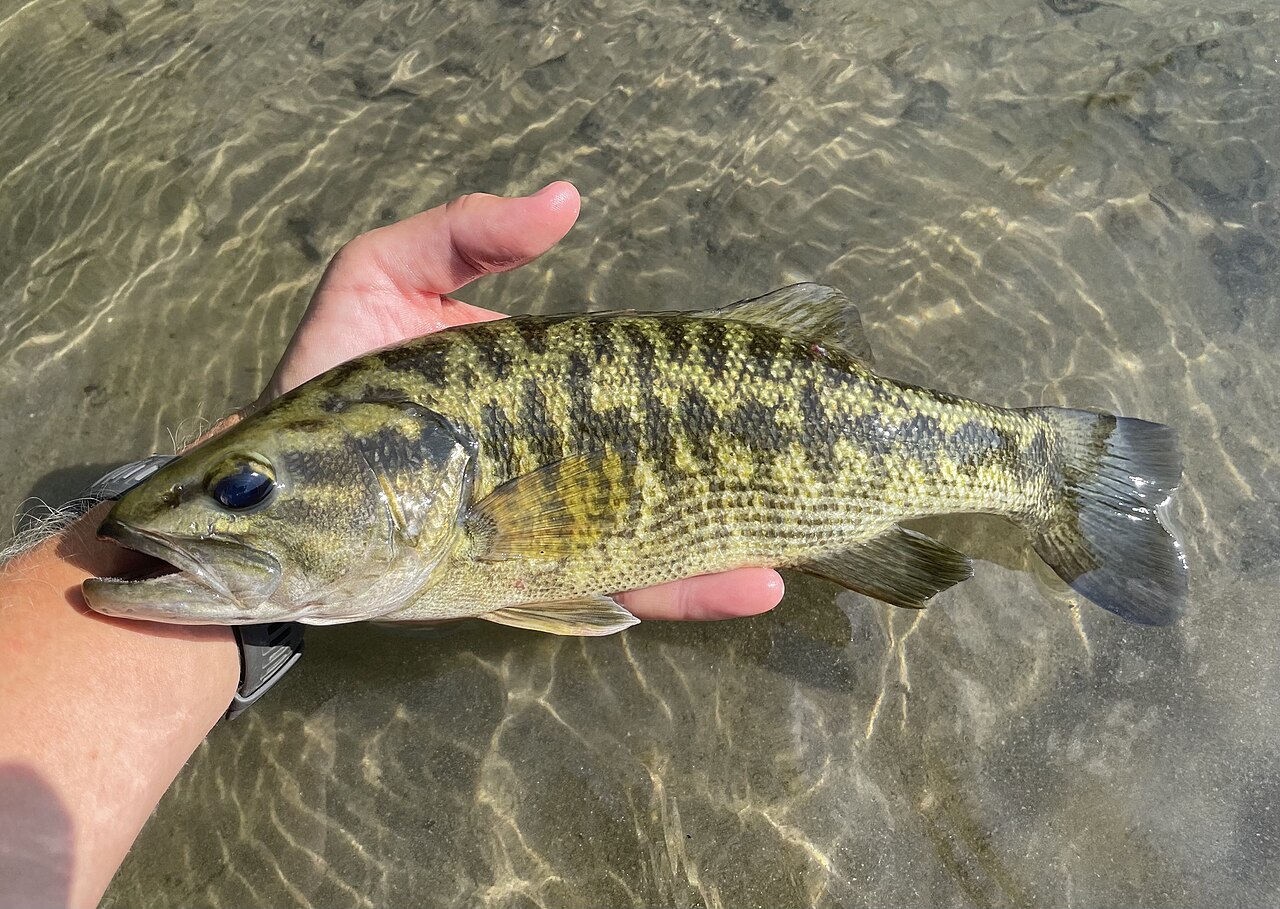
04Guadalupe bass held above clear shallow water

Black bassMicropterus treculii

Guadalupe bass

Habitat
Flowing streams and rivers of central Texas; adapted to moving water.
Low-light activity
Current, temperature and river level are more useful than a universal clock.
Field marks
Diamond-like side markings, separate dorsal fins and a jaw not extending beyond the eye.
Responsible care
Endemic species: protect habitat, identify carefully and check Texas waterbody rules.

Before retention: identify the fish in clear light and check current rules for the specific waterbody. This guide is not a legal determination.
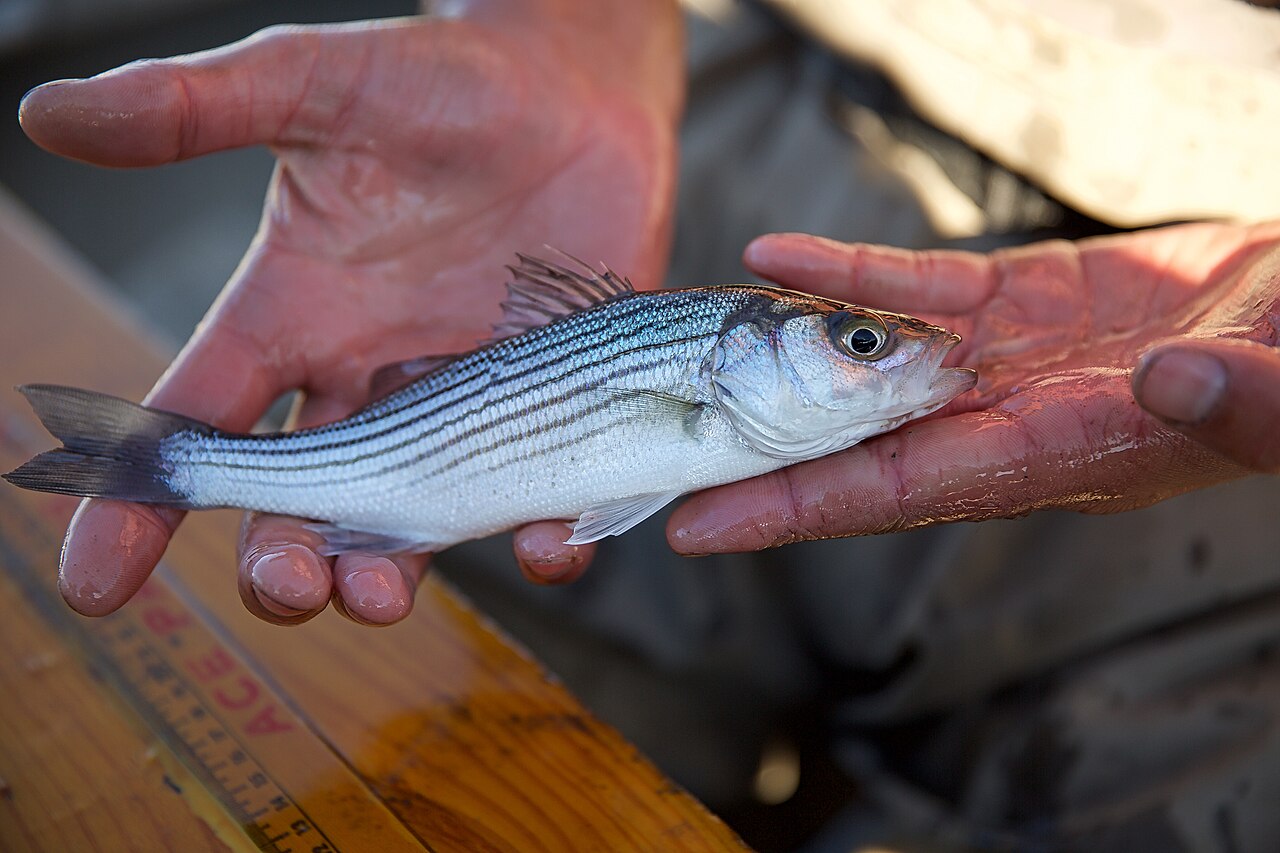
05Striped bass supported in wet hands

Temperate bassMorone saxatilis

Striped bass

Habitat
Large rivers, reservoirs and coastal systems; movements depend on local populations.
Low-light activity
Schooling movement may continue in low light; weather, flow and forage change location.
Field marks
Several dark horizontal stripes on a long silver body; stripes are usually distinct.
Responsible care
Use a rubberized net, shorten air time and review location-specific harvest rules.

Before retention: identify the fish in clear light and check current rules for the specific waterbody. This guide is not a legal determination.

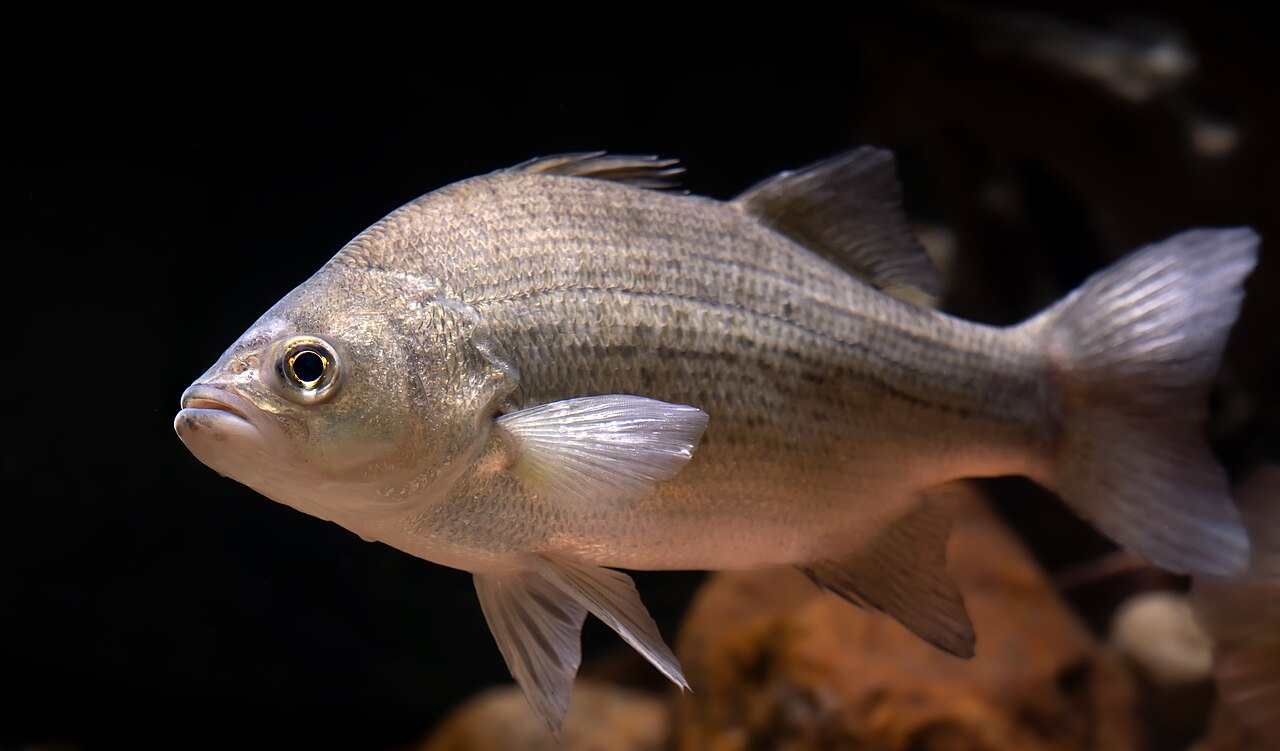
06White bass in a side-view identification photograph

Temperate bassMorone chrysops

White bass

Habitat
Rivers, reservoirs and larger lakes, often moving in schools after forage.
Low-light activity
Dawn, dusk and night activity varies with schooling prey, season and current.
Field marks
Deep silver body with horizontal stripes; some stripes may be faint or broken.
Responsible care
Do not assume schooling fish share one limit; verify species and current rules.

Before retention: identify the fish in clear light and check current rules for the specific waterbody. This guide is not a legal determination.

Identification sources

Keep an official reference offline

Agency pages provide current regional context that a general field guide cannot. Download or print the relevant material before leaving reception.